


What Is Commercial Maintenance? A 2026 Property Guide
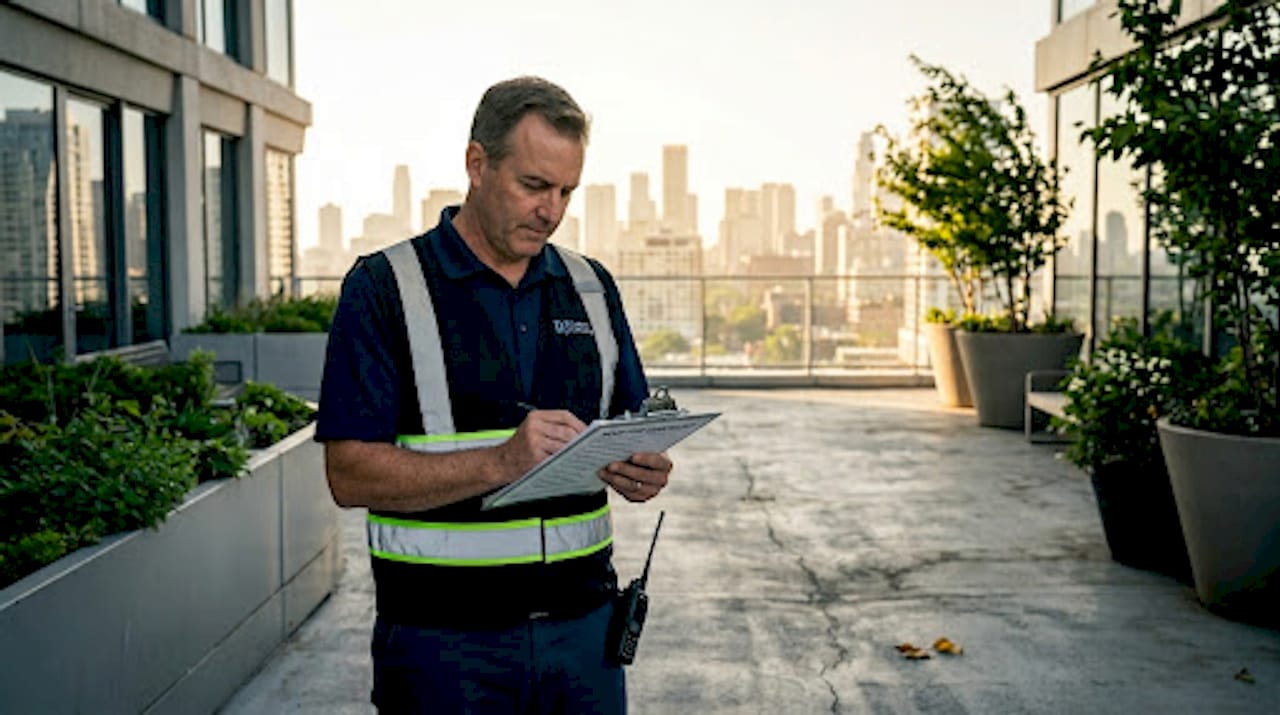
Commercial maintenance is defined as the ongoing, coordinated upkeep of non-residential building systems, structures, and safety devices to preserve safety, functionality, and legal compliance. It covers everything from HVAC servicing and electrical inspections to fire alarm testing and exterior grounds care. Unlike home maintenance, which is largely discretionary, commercial property maintenance carries regulatory obligations that directly affect occupancy permits, insurance coverage, and tenant safety. Property managers who treat maintenance as a structured operating system rather than a list of repairs consistently outperform those who react to problems after they occur.
What is commercial maintenance and what does it cover?
Commercial maintenance is the systematic upkeep of non-residential building components and systems, including structure, building services, and life-safety equipment, through both planned and reactive work. The scope is broader than most property owners initially expect. A single commercial building typically contains six to eight interdependent systems, each with its own inspection schedule, compliance requirement, and failure risk.
The core components of a commercial maintenance program fall into four categories:
Building structure: Roof membranes, walls, floors, windows, and doors. Structural failures are slow to develop but expensive to correct once ignored.
Mechanical systems: HVAC units, plumbing networks, and electrical infrastructure. These systems affect daily occupant comfort and carry the highest regulatory inspection burden.
Life-safety systems: Fire alarms, sprinkler systems, emergency lighting, gas appliances, and carbon monoxide detectors. These are non-negotiable from a compliance standpoint.
Exterior and grounds: Parking lots, landscaping, drainage, roofing, and building facades. Commercial roof maintenance is one of the most frequently deferred tasks, yet roof failures rank among the top causes of interior water damage.
Beyond physical systems, commercial property maintenance also coordinates tenant-facing services such as janitorial work, common area repairs, and service request management. Work orders are categorized as preventive, corrective, or emergency. Treating all three as the same type of task is a common mistake that breaks compliance scheduling and inflates costs.
How preventive and reactive maintenance work together
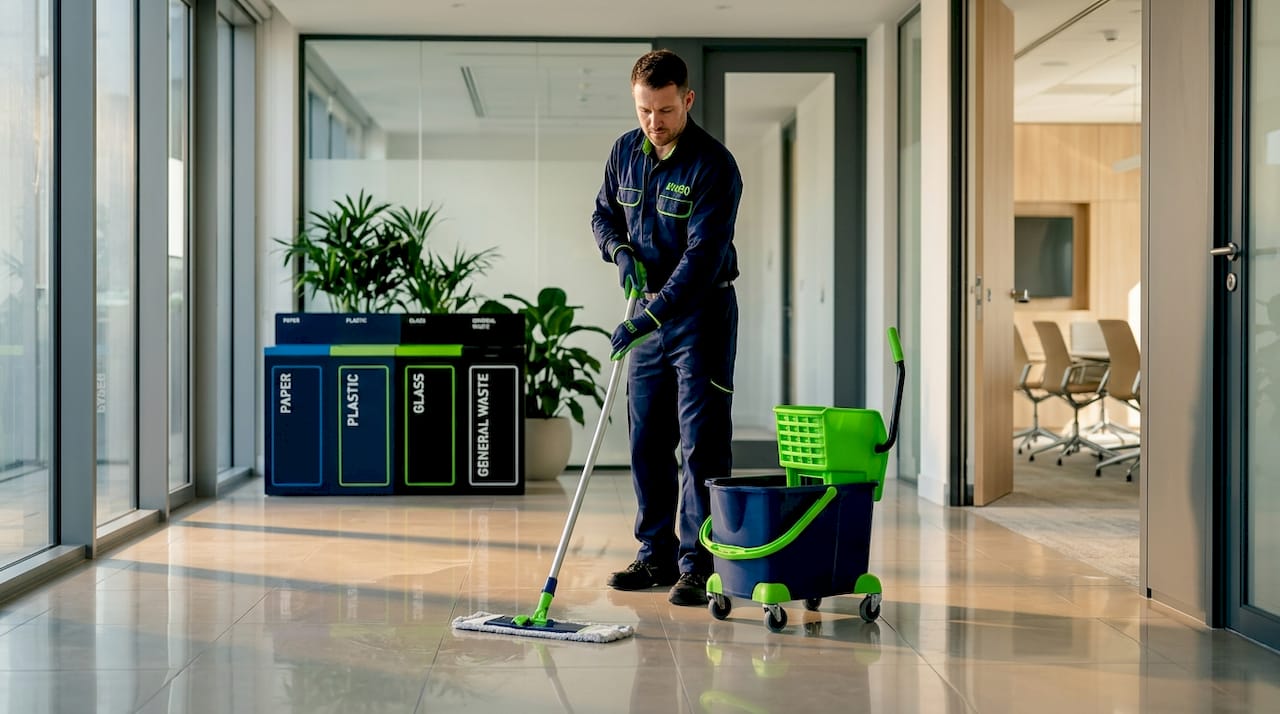
Preventive maintenance is scheduled work performed before a system fails. Examples include quarterly HVAC filter replacements, annual boiler servicing, biannual gutter clearance, and monthly fire extinguisher checks. Preventive maintenance reduces emergency repairs, extends equipment life, and lowers operating costs by catching deterioration early.
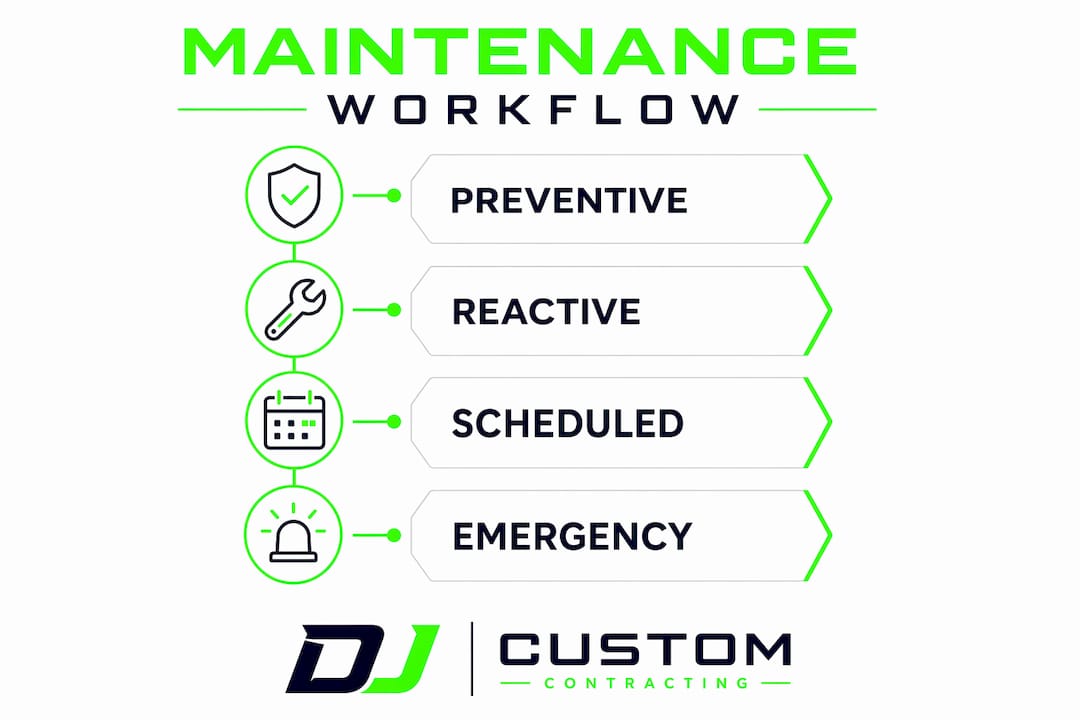
Reactive maintenance, by contrast, is triggered by an unexpected fault or tenant complaint. A burst pipe, a failed circuit breaker, or a broken HVAC compressor in July all require immediate corrective action. Reactive work is unavoidable, but a property that relies on it exclusively pays a steep price.
Here is how a balanced maintenance strategy works in practice:
Audit your assets. List every system in the building, its age, its last service date, and its criticality to operations. This creates the foundation for a rational schedule.
Assign maintenance categories. Classify each task as preventive, corrective, or emergency. Segmenting work by type prevents compliance scheduling errors and helps vendors prioritize correctly.
Schedule preventive work in advance. Use a 12-month calendar. Align service intervals with manufacturer recommendations and local code requirements.
Build a reactive response protocol. Identify approved vendors for each system category and set response time expectations before an emergency occurs.
Review and adjust quarterly. Track which reactive calls could have been prevented. Adjust preventive intervals accordingly.
Buildings with structured preventive programs experience 70 to 85% lower emergency repair costs compared to reactive-only approaches. That figure reflects both direct repair savings and the avoided cost of tenant disruption, temporary relocations, and compliance penalties.
Pro Tip: Maintenance is best understood as an operating system, not a task list. When you coordinate vendor schedules, asset records, and inspection intervals together, the whole program becomes self-correcting rather than perpetually reactive.
Inspection schedules and checklists: what frequency do you need?
A structured commercial maintenance checklist assigns every task a specific frequency, an assigned party, and a documentation requirement. Without frequency discipline, critical inspections get deferred and compliance gaps accumulate silently.
The table below summarizes standard task frequencies for a commercial building:
Frequency | System or Area | Example Tasks |
Daily | HVAC, common areas, restrooms | Temperature checks, cleanliness audits, safety walkthrough |
Weekly | Exterior, lighting, plumbing | Parking lot inspection, emergency light test, leak checks |
Monthly | Fire safety, electrical, HVAC filters | Extinguisher inspection, panel check, filter replacement |
Quarterly | Roof, drainage, HVAC full service | Gutter clearance, drain testing, coil cleaning |
Annual | Fire alarms, boilers, structural | Full fire alarm test, boiler service, roof membrane inspection |
Daily inspections prevent 80% of same-day tenant complaints, which means the most basic walkthroughs deliver disproportionate value. Quarterly and annual intervals align directly with most jurisdictional compliance requirements, making them the backbone of any audit-ready program.
Documentation is where most property managers fall short. Compliance risk is managed through complete, dated inspection records tied to specific assets, not just general evidence that work was done. A fire marshal or insurance auditor needs to see which unit was tested, by whom, on what date, and what the result was. A spreadsheet or paper log is legally defensible. An undocumented verbal confirmation is not.
Pro Tip: Build your commercial property maintenance checklist around your jurisdiction’s specific code requirements first, then layer in manufacturer service intervals. This order of priority prevents the common mistake of scheduling maintenance that satisfies the manufacturer but misses a local compliance deadline.
A property maintenance checklist for 2026 should also account for asset criticality. A failed HVAC unit in a medical office building is a life-safety issue. The same failure in a storage facility is an inconvenience. Prioritize maintenance by the potential impact of failure, not just by the age of the equipment.
Practical commercial maintenance tips for 2026
Effective facility management in 2026 requires more than a checklist. It requires a system that connects people, vendors, and records into a coordinated program. The following guidance applies directly to commercial property owners and managers running buildings of any size.
Use a Computerized Maintenance Management System (CMMS). Platforms like Limble CMMS, UpKeep, or Fiix centralize work orders, vendor contacts, asset histories, and compliance records in one place. Integrated digital records reduce scheduling gaps and make audits significantly faster.
Partner with multi-system vendors where possible. A contractor who handles HVAC, plumbing, and electrical under one contract simplifies scheduling, reduces vendor coordination overhead, and often provides better pricing than three separate service agreements.
Budget for both planned and unplanned work. A standard rule in commercial facility management is to reserve 1 to 3% of a building’s replacement value annually for maintenance. Split that budget between scheduled preventive work and a contingency reserve for reactive repairs.
Communicate proactively with tenants. Notify tenants 48 to 72 hours before any planned maintenance that affects their space. Proactive communication reduces complaints and builds the trust that supports lease renewals.
Prioritize by failure impact. System criticality determines scheduling priority. Life-safety systems, primary HVAC, and main electrical panels get the highest maintenance frequency and the fastest reactive response times.
Review your maintenance workflow annually. Vendor performance, equipment age, and code requirements all change. An annual program review catches gaps before they become violations or emergencies.
For exterior systems, roof maintenance for businesses deserves specific attention in 2026. Extreme weather events have increased the frequency of membrane failures and drainage blockages. Scheduling biannual roof inspections, rather than annual, is now a recognized best practice for commercial properties in high-precipitation regions.
The difference between a well-maintained commercial property and a liability-prone one often comes down to record-keeping discipline and vendor coordination, not the size of the maintenance budget. Compliance record-keeping tied to specific assets is the single most reliable way to manage regulatory risk across all building systems.
Key takeaways
Commercial maintenance is a structured, asset-specific operating system that combines preventive scheduling, reactive response, and audit-ready documentation to keep buildings safe, compliant, and cost-efficient.
Point | Details |
Definition and scope | Commercial maintenance covers building structure, mechanical systems, life-safety equipment, and exterior grounds. |
Preventive vs. reactive balance | Structured preventive programs reduce emergency repair costs by 70 to 85% compared to reactive-only approaches. |
Checklist frequency matters | Daily, weekly, monthly, quarterly, and annual tasks each serve distinct compliance and operational functions. |
Documentation is compliance | Dated, asset-specific inspection records are the legal foundation of any audit-ready maintenance program. |
Digital tools improve outcomes | CMMS platforms and multi-system vendors reduce scheduling gaps and lower overall maintenance costs. |
What I’ve learned running commercial maintenance programs
After years of working on commercial properties across New York, one pattern stands out clearly. Most compliance failures and emergency repair bills trace back to the same root cause: maintenance was treated as a cost center to minimize rather than a system to manage. Property owners who defer HVAC servicing to save $400 often end up spending $6,000 on a compressor replacement six months later, plus whatever tenant disruption that failure caused.
The second pattern I see consistently is poor vendor segmentation. Many property managers use a single general handyman for everything from fire alarm testing to roof repairs. That approach creates compliance gaps because specialized systems require licensed, certified technicians. A CMMS does not fix this problem on its own. You need the right vendors assigned to the right systems before the software adds value.
What actually works is treating maintenance as a coordinated process across three layers: the physical work, the scheduling logic, and the documentation trail. When all three are aligned, compliance audits become routine rather than stressful, tenants renew leases at higher rates, and emergency repair budgets shrink year over year. Emerging tools like predictive analytics and IoT-based sensor monitoring are starting to shift preventive scheduling from calendar-based to condition-based, which is a meaningful improvement for high-value equipment. But the fundamentals still matter most. No technology replaces a well-organized checklist, a reliable vendor roster, and a property manager who follows through.
— DJ
Work with Djcustomcontracting for expert commercial maintenance

Djcustomcontracting has delivered full-service commercial maintenance and renovation solutions since 2018, serving property owners and managers across New York. Whether you need a structured building maintenance program built from the ground up, DOB violation removal, or interior and exterior renovations that complement your ongoing upkeep, Djcustomcontracting covers every stage of the project. The team works in compliance with local building codes, licensing requirements, and insurance regulations, so your property stays protected and audit-ready. No job is too large or too small. Contact Djcustomcontracting today to discuss a maintenance solution tailored to your property’s specific systems and compliance requirements.
FAQ
What is commercial maintenance in simple terms?
Commercial maintenance is the ongoing upkeep of non-residential building systems, including HVAC, plumbing, electrical, and fire safety, to keep the property safe, functional, and compliant with local regulations.
How is commercial maintenance different from residential maintenance?
Commercial maintenance involves stricter regulatory requirements, more complex building systems, and formal compliance documentation that residential maintenance does not typically require. Inspections must be tied to specific assets and dated for audit purposes.
What should a commercial maintenance checklist include?
A commercial property maintenance checklist should cover daily safety walkthroughs, weekly exterior and lighting checks, monthly fire safety and HVAC filter inspections, quarterly roof and drainage reviews, and annual fire alarm and boiler tests.
How often should commercial buildings be inspected?
Inspection frequency depends on the system. Life-safety systems like fire alarms require annual testing at minimum, HVAC systems need quarterly servicing, and daily walkthroughs of common areas and restrooms are standard practice for tenant-facing properties.
What is the biggest risk of skipping preventive maintenance?
Skipping preventive maintenance leads to significantly higher emergency repair costs, compliance violations, and tenant dissatisfaction. Buildings without structured preventive programs face emergency repair costs that are 70 to 85% higher than those with scheduled maintenance in place.
Recommended


Comments