


Best types of home renovations for maximum ROI

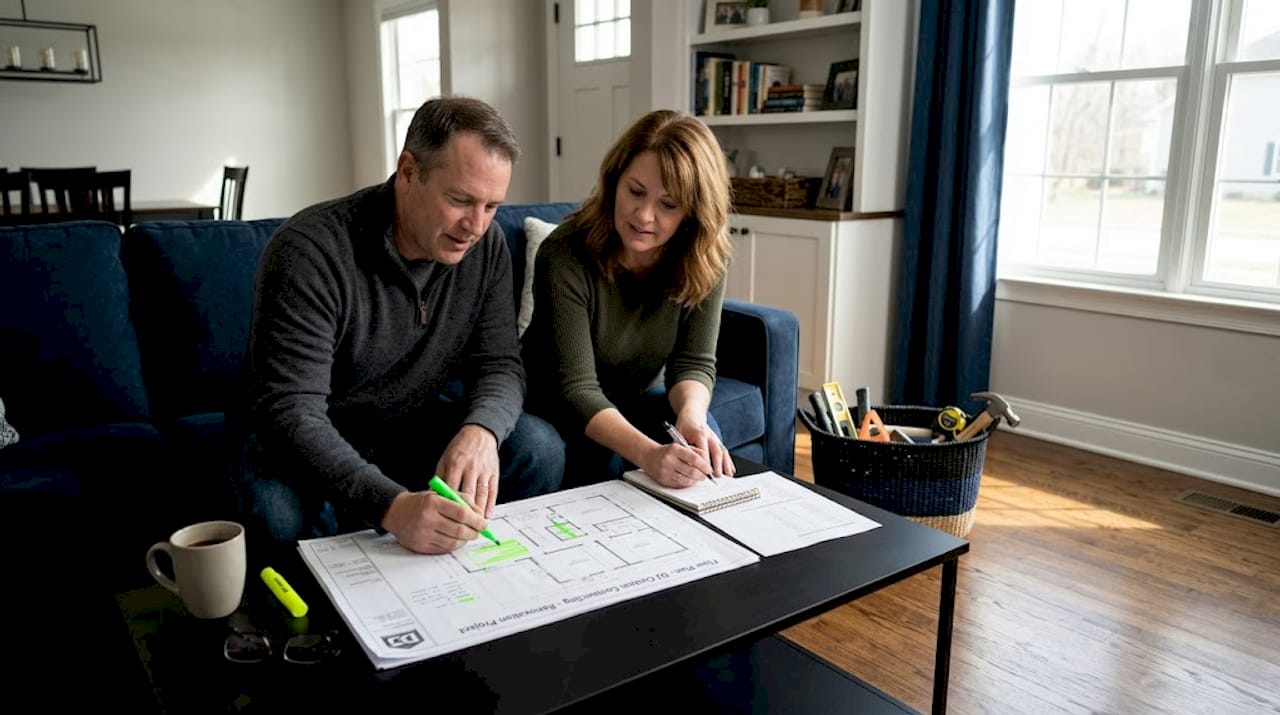
Choosing the right renovation is one of the most financially consequential decisions you’ll make as a property owner in New York City or Northern New Jersey. Conflicting advice floods the internet, costs in this region run well above the national average, and local permitting rules add layers of complexity that most general guides simply ignore. Whether you’re updating a co-op in Brooklyn, finishing a basement in Bergen County, or adding a room to a single-family home in Staten Island, the stakes are high. This guide cuts through the noise and gives you a clear, practical framework for selecting renovations that deliver real value.
Table of Contents
Key Takeaways
Point | Details |
Exteriors deliver highest ROI | Garage doors and siding upgrades routinely outperform interior remodels for boosting value. |
NYC/NJ costs run higher | Local renovation budgets must account for premiums and strict permitting requirements. |
Prioritize minor updates | Cosmetic improvements often yield bigger returns than extensive structural changes. |
Always add a contingency | Expect the unexpected by padding your renovation budget at least 20%. |
Permits and approvals matter | Legal and board approvals are crucial for successful projects in NYC and NJ properties. |
How to choose the right renovation for your property
Every renovation decision should start with a clear goal. Are you preparing the property for resale? Improving your own comfort and usability? Bringing the property up to code after a violation? The answer shapes everything from your budget to the type of contractor you hire.
Here’s a step-by-step approach to selecting the right renovation:
Define your primary goal. Resale-focused renovations prioritize ROI. Comfort-focused renovations prioritize functionality. Compliance-focused renovations are non-negotiable and time-sensitive.
Research local permitting requirements. In NYC, nearly any renovation touching plumbing, electrical, or structural elements requires a Department of Buildings (DOB) permit. In NJ, municipal building departments enforce similar rules. Skipping permits leads to fines, stop-work orders, and problems at resale.
Understand your building’s rules. If you live in a co-op or condo in NYC, you’ll need more than a DOB permit. As noted by renovation experts, NYC co-op and condo boards require alteration agreements beyond DOB permits, adding timeline and legal complexity most homeowners don’t anticipate.
Set a realistic budget with contingencies. NYC and NJ labor and material costs are significantly higher than national averages. Good renovation budget planning accounts for this reality from day one.
Minimize scope where possible. Keeping your existing layout, meaning your plumbing stays where it is and your electrical panel stays put, dramatically reduces costs. Moving a kitchen sink across the room can add thousands to your project.
Pro Tip: Always add a 20% contingency to your renovation budget for unexpected issues like hidden water damage, outdated wiring, or structural surprises behind the walls. In older NYC and NJ properties, surprises are the rule, not the exception.
The clearer your goals and the more honest your budget, the better your renovation outcomes will be. Rushing into a project without this groundwork leads to cost overruns, delays, and sometimes incomplete work.
Interior renovations: Kitchens, bathrooms, and basements
Interior renovations are the most common starting point for homeowners, and for good reason. They improve daily livability, appeal to buyers, and can add significant value when done thoughtfully.
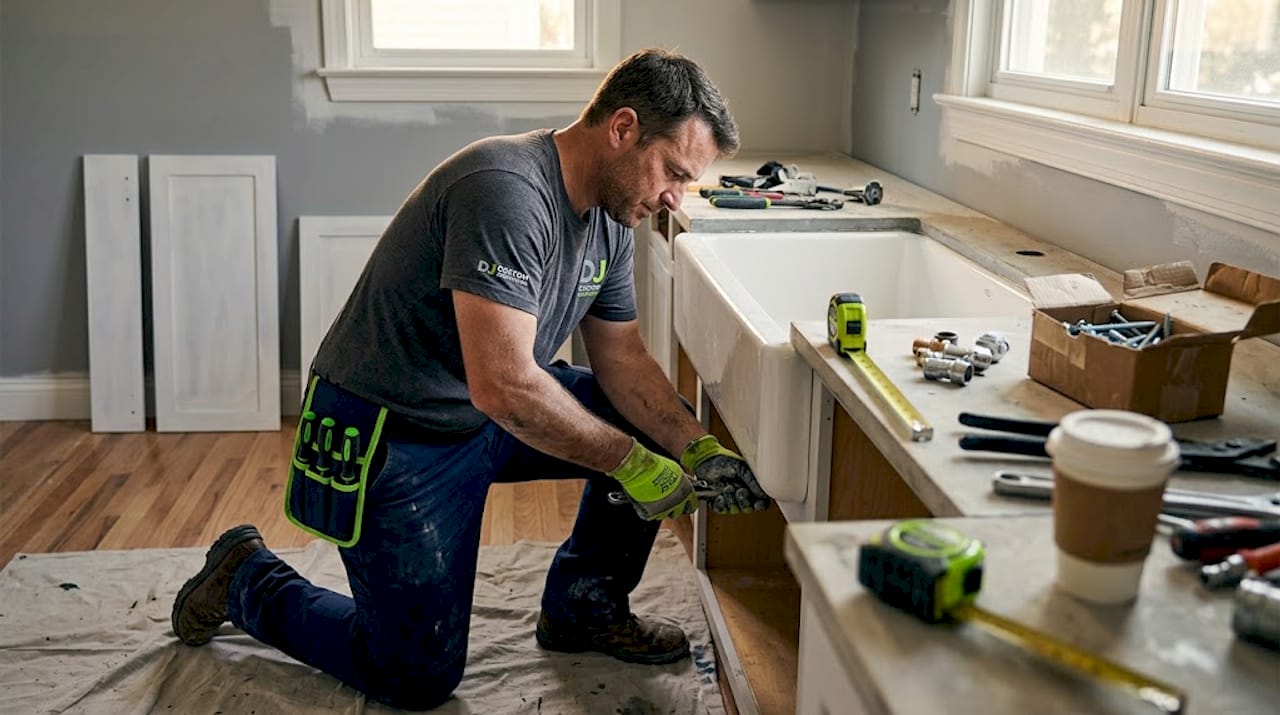
Kitchen remodels
The kitchen is consistently the most renovated room in American homes. Kitchen remodels are the most popular according to Houzz data, with a median spend of $24,000 nationally, while 54% of U.S. homeowners renovated in 2025 and planned to spend roughly $15,000 in 2026. In New Jersey, expect to pay significantly more. NJ kitchen costs run 15-25% above the national average, putting a mid-range kitchen remodel between $45,000 and $65,000.
Bathroom upgrades
Bathrooms rank second in renovation popularity. A major bathroom overhaul nationally averages around $30,000, but in NJ that figure climbs to $22,000 on the low end and $35,000 for a full renovation. Practical NJ bathroom renovation tips include prioritizing waterproofing and ventilation, two issues that are especially critical in older homes with humidity and moisture problems.
Basement finishing
Finishing an unfinished basement is one of the most effective ways to add usable square footage without touching your home’s footprint. In NJ, basement finishing runs $35,000 to $55,000. For a detailed breakdown of how to approach this project, the basement remodeling steps include everything from moisture barriers to egress window requirements.
Interior renovation cost and ROI comparison
Renovation type | NJ cost range | National avg ROI | Key benefit |
Kitchen remodel (mid-range) | $45,000 to $65,000 | ~60-70% | Buyer appeal, daily function |
Bathroom remodel (major) | $22,000 to $35,000 | ~55-65% | Comfort, moisture control |
Basement finishing | $35,000 to $55,000 | ~70-75% | Usable square footage |
Pros and cons of each interior renovation type:
Kitchen remodel: Pro: High buyer appeal and daily utility. Con: High cost with moderate ROI compared to exteriors.
Bathroom upgrade: Pro: Adds comfort and reduces liability from water damage. Con: Labor-intensive due to plumbing and tile work.
Basement finishing: Pro: Significant square footage gain. Con: Permitting requirements and moisture risks need careful management.
For NYC and NJ property owners, consulting an interior remodeling guide tailored to local codes is far more useful than relying on national renovation guides that don’t account for regional pricing or permitting realities.
When working on any interior project that involves concrete surfaces, understanding concrete repair steps for basement floors or foundation areas is also worth reviewing before finalizing your contractor scope.
Pro Tip: For kitchen and bathroom renovations, request itemized quotes from at least three contractors. Labor costs vary widely in the NYC metro area, and an itemized quote lets you identify where costs can be adjusted without compromising quality.
Exterior renovations: Siding, stone veneer, garage doors, and curb appeal
This is where the data gets surprising. Many homeowners instinctively focus on interiors, but exterior renovations consistently deliver the highest returns on investment nationally and in the NYC/NJ market.
The numbers don’t lie
According to 2025 Cost vs. Value data from Zonda, the top ROI projects are all exterior-focused: garage door replacement delivers a staggering 268% ROI, stone veneer addition returns 208%, siding replacement returns 114%, and even minor kitchen updates come in at 113%. Exteriors outperform interiors consistently, and by a wide margin at the top of the list.
Why? Because curb appeal is the first impression a buyer gets. Before they step inside, they’ve already formed an opinion based on what your home looks like from the street. A fresh garage door or a stone veneer facade signals quality, care, and value immediately.
In NJ specifically, high home values boost absolute returns even when percentage ROI is similar to national figures. Spending $4,000 on a garage door replacement in a NJ market where homes sell for $600,000 to $900,000 generates outsized dollar returns.
Exterior renovation ROI comparison table
Exterior project | Estimated cost | National ROI (2025) | Impact |
Garage door replacement | $3,500 to $5,000 | 268% | Highest ROI of any renovation |
Stone veneer addition | $10,000 to $15,000 | 208% | Dramatically improves curb appeal |
Siding replacement | $15,000 to $25,000 | 114% | Weatherproofing and aesthetics |
Landscaping improvements | $5,000 to $15,000 | Varies | Supports curb appeal holistically |
Pros and cons of popular exterior renovation types:
Garage door replacement: Pro: Highest ROI nationally, quick installation. Con: Limited impact on living comfort or interior space.
Stone veneer: Pro: Major curb appeal boost at a relatively moderate cost. Con: Requires skilled installation to look authentic.
Siding replacement: Pro: Weatherproofing and energy efficiency benefits alongside curb appeal. Con: Higher cost and longer project timeline.
For a complete overview of what exterior work involves and how to prioritize projects, the exterior renovations guide is a solid starting point before speaking with a contractor. Pairing exterior upgrades with thoughtful landscaping for home value can amplify your curb appeal gains even further.
Connecting with an experienced exterior renovation contractor who knows the local permitting environment ensures your exterior work meets NJ and NYC code requirements while maximizing your returns.
Additions and structural alterations: Expanding your space
When interior renovations and exterior upgrades aren’t enough, some property owners turn to additions and structural alterations. Adding a room, expanding a floor plan, or converting an attached garage into living space can transform a property. But this category of work is the most complex, most expensive, and most legally demanding in the NYC/NJ region.
What counts as an addition or structural alteration?
An addition is any work that increases the physical footprint or gross square footage of a building. A structural alteration is any change that modifies load-bearing elements, including walls, beams, and columns. Both categories trigger significant regulatory oversight.
The permitting and approval process
Hire a licensed architect or engineer. NYC and NJ require stamped architectural drawings for any structural work. This is not optional.
Submit plans to the DOB. In NYC, the Department of Buildings reviews all addition and alteration applications. Plan review timelines vary but can take weeks to months.
Obtain board approval if applicable. If your property is in a co-op or condo building, the board must approve the alteration agreement before work begins. The co-op vs. condo renovation process has important distinctions you need to understand before starting.
Secure all sub-permits. Electrical, plumbing, and mechanical work within the addition each require separate permits.
Schedule inspections. DOB inspectors must sign off at key stages. Missing an inspection can delay your project for weeks.
The NYC addition checklist and the residential addition workflow are essential reading before you commit to this type of project.
Cost realities for additions
Whole-house additions in NJ cost between $200 and $400 per square foot, making a 500-square-foot addition a $100,000 to $200,000 investment before soft costs like architecture, engineering, and permits. And as with all renovation work in this region, you need to add 20% contingency for the surprises that always emerge once walls come down and floors come up.
Understanding the benefits of working with an experienced contractor for complex projects like additions cannot be overstated. Navigating local boards, DOB filing systems, and inspection requirements is a full-time job on its own.
Pro Tip: Choose a contractor who has direct experience with NYC DOB filings and NJ municipal permitting. A contractor unfamiliar with local boards can cause months of delays and thousands of dollars in rework.
Our expert perspective: What most guides miss about renovation selection
Most renovation guides focus on the exciting parts: kitchen counters, bathroom tiles, and curb appeal transformations. What they rarely address is the uncomfortable reality that scale does not equal return. Bigger is not always better.
The 2025 Cost vs. Value data makes this crystal clear. Minor cosmetic updates and exterior upgrades consistently outperform major gut renovations on ROI. A $4,000 garage door replacement returning 268% simply cannot be matched by a $60,000 kitchen overhaul returning 65%. The numbers favor restraint.
In our experience working across NYC and Northern NJ, the projects that deliver the most frustration are typically the ones where scope grew well beyond the original plan. A bathroom renovation becomes a full plumbing reroute. A kitchen update becomes a load-bearing wall removal. Each expansion introduces new permits, new inspections, and new surprises. The budget planning guide we recommend consistently reflects one central lesson: protect your contingency budget fiercely.
There’s also a local reality most national guides gloss over entirely. In NYC co-ops especially, board approval is not just a formality. Boards can reject renovation plans, require specific contractors, and impose noise and work-hour restrictions that add months to a project. Factoring this into your timeline and budget at the start saves enormous pain later.
Our honest advice: start with the exterior. Replace that garage door. Add stone veneer. Repaint the siding. These investments are fast, impactful, and generate returns that interior renovations rarely match. Then, when the foundation of curb appeal is solid, invest in interior comfort improvements that enhance your daily life. Save additions and structural changes for situations where you have the time, the budget reserves, and a contractor who genuinely knows the local permitting landscape.
Take the next step with expert renovation support
Planning a renovation in NYC or Northern NJ is complex, but you don’t have to navigate it alone. DJ Custom Contracting LLC has been helping homeowners and business owners execute interior and exterior projects since 2018, with deep knowledge of local permitting, board approvals, and the trades that make renovations run smoothly.

Whether you’re looking for an interior renovation contractor to handle a kitchen or bathroom overhaul, an exterior renovation contractor to boost your curb appeal and ROI, or an addition and alteration contractor to expand your property the right way, DJ Custom Contracting LLC brings competitive rates and proven expertise to every project. No job is too big or too small. Reach out today and let’s talk about what your property needs.
Frequently asked questions
Which home renovation delivers the highest ROI in NYC/NJ?
Garage door replacement and stone veneer addition offer the highest returns, with garage doors at 268% ROI and stone veneer at 208% nationally, consistently outperforming interior renovations.
How much should I budget for a kitchen remodel in New Jersey?
Expect to spend between $45,000 and $65,000 for a mid-range kitchen remodel in NJ, as NJ renovation costs run 15-25% above the national average.
What permits or approvals are required for renovations in NYC co-ops or condos?
Beyond standard DOB permits, NYC co-op and condo boards require alteration agreements that must be reviewed and approved before any work begins, often adding weeks or months to your project timeline.
Are basement renovations worth it for investors or business owners?
Yes, especially in NJ markets where home values are high. Basement finishing costs $35,000 to $55,000 in NJ and adds meaningful usable square footage that directly supports property value and rental potential.
How can I avoid cost overruns when planning a renovation?
Build a 20% contingency into your budget from day one to cover hidden issues like outdated plumbing, electrical surprises, or water damage discovered once work begins.
Recommended


Comments