


Additions vs Alterations: NYC Property Owner's Guide


An addition is defined as a permanent structural expansion that increases your building’s total footprint, while an alteration modifies existing space without changing the building’s size. This distinction is the single most important factor in determining your permit requirements, project costs, insurance coverage, and timeline. For NYC homeowners and business owners, getting this classification wrong can trigger stop-work orders, denied insurance claims, and serious complications during future property sales. Understanding additions vs alterations before you break ground protects your investment and keeps your project on the right side of the NYC Department of Buildings.
What counts as an addition vs alteration in NYC?
An addition is any permanent structural expansion that increases your property’s gross floor area. Think bump-outs, second-story builds, attached garages, or sunroom extensions. The defining characteristic is that the building’s footprint grows.
An alteration, by contrast, changes what exists inside the current structure. Kitchen remodels, wall removals, bathroom reconfiguration, HVAC upgrades, and electrical panel replacements all qualify as alterations. The building envelope stays the same. Only the interior layout or systems change.
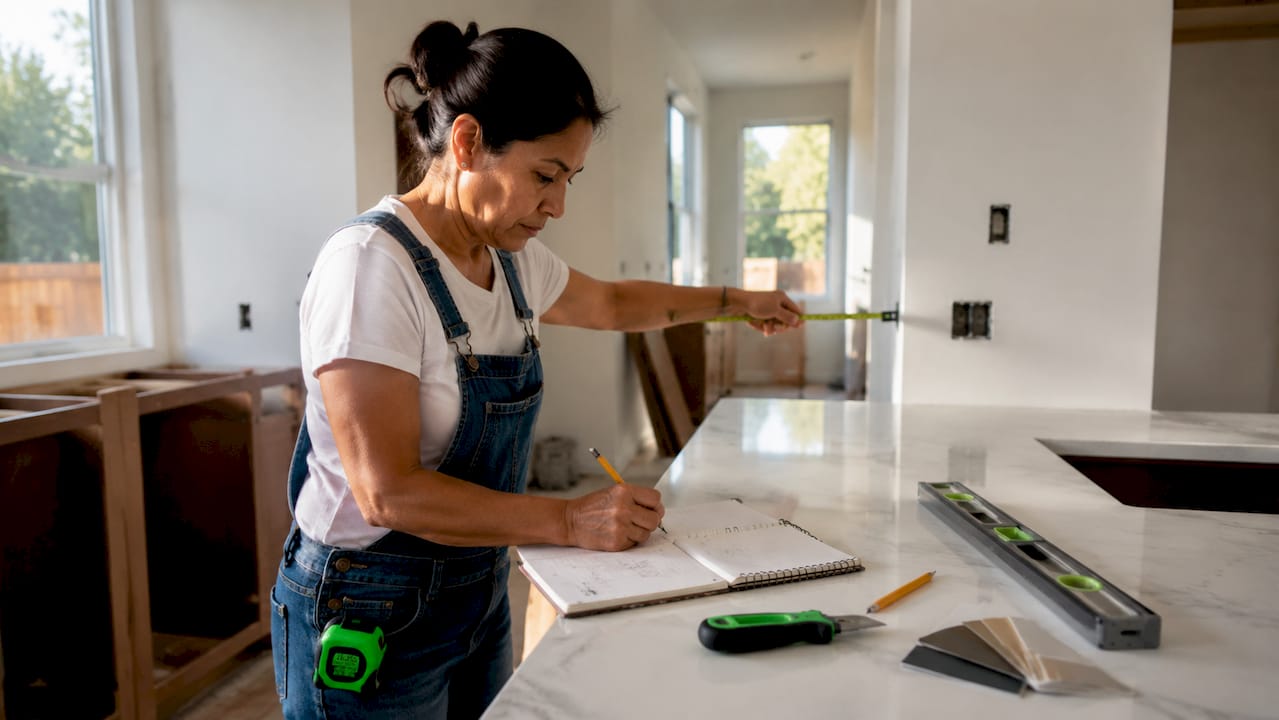
A common misconception is that renovations and alterations are the same thing. They are not. Renovations refresh cosmetic or surface aspects like paint, flooring, or cabinet faces. Alterations change structural elements, which triggers mandatory building permits and inspections. Repainting a kitchen is a renovation. Removing a load-bearing wall to open the floor plan is an alteration.
Here are the most common examples of each category in NYC properties:
Additions:
Second-story builds over existing single-family homes
Rear yard bump-outs extending a kitchen or living room
Attached accessory dwelling units (ADUs)
Rooftop additions on brownstones or row houses
Alterations:
Gut renovations of kitchens or bathrooms
Removal of non-load-bearing or load-bearing interior walls
Window replacements that affect structural load paths
Electrical, plumbing, or HVAC system upgrades
Pro Tip: If your project changes any structural load path, even something as minor as replacing a window in a bearing wall, it legally qualifies as an alteration and requires a formal permit application with the NYC Department of Buildings.
How do costs and timelines compare?
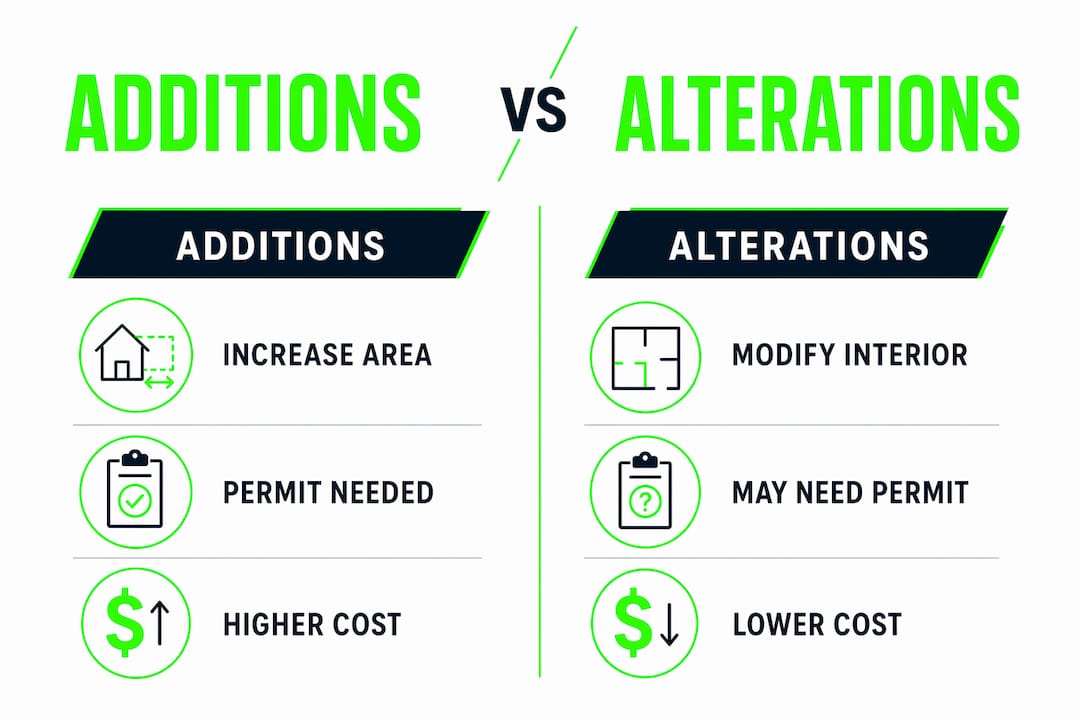
Cost is where the addition vs alteration difference becomes most concrete for property owners. Ground-level additions cost $80–$300 per square foot, and major additions can exceed $100,000. Minor interior conversions start around $20,000. These are not small numbers, and the range reflects the complexity of structural work, materials, and NYC labor rates.
Alterations generally cost less per square foot because they avoid foundation work, exterior framing, and roofing. A full kitchen gut renovation in NYC typically runs $50,000–$150,000 depending on finishes, but the structural and permit complexity is lower than a full addition. The tradeoff is that alterations deliver functionality improvements rather than square footage gains.
Project Type | Typical Cost Range | Average Timeline | ROI Potential |
Ground-floor addition | $80–$300/sq ft | 3–6 months | 50–75% |
Second-story addition | $150–$300/sq ft | 4–8 months | 60–85% |
Interior alteration (kitchen) | $50,000–$150,000 | 6–12 weeks | 60–80% |
Bump-out micro-addition | $20,000–$50,000 | 4–8 weeks | 40–60% |
Second-story additions deliver ROI between 60–85%, which is higher than ground-floor additions. This matters in NYC, where lot sizes are constrained and building up is often the only option. Compared to moving costs of $30,000–$80,000 in the NYC metro area, a well-planned addition is frequently the smarter financial move.
For property owners who want more space without the full cost of an addition, bump-outs are worth serious consideration. A 45-square-foot bump-out can expand a 150-square-foot kitchen’s usable area by 30% while adding only 3% to the home’s total footprint. That is a meaningful quality-of-life improvement at a fraction of a full addition’s cost.
Pro Tip: Get a structural engineer’s assessment before budgeting any addition. Foundation conditions in NYC vary significantly by neighborhood and building age, and surprises in the ground can shift your cost estimate by tens of thousands of dollars.
What are the permitting requirements for each project type?
The International Existing Building Code (IEBC) classifies construction work in a clear hierarchy: ordinary maintenance, repair, alteration, and addition. Each level carries escalating regulatory oversight. Knowing your project’s category dictates permit needs, required inspections, and code compliance obligations.
For NYC property owners, the NYC Department of Buildings (DOB) administers this process. Here is how the permit process typically unfolds for each project type:
Determine project classification. Confirm whether your project is an addition or alteration before filing anything. Misclassification at this stage causes delays and potential legal exposure.
Hire a licensed architect or engineer. Both additions and alterations in NYC require professionally stamped drawings for permit applications. DIY submissions are not accepted for structural work.
File with the NYC DOB. Submit your application through the DOB NOW portal. Additions require a more extensive plan review than most alterations.
Schedule rough-in inspections. Permits include rough-in and final inspections for both project types. Additions typically require more inspection stages due to foundation, framing, and exterior work.
Obtain a Certificate of Occupancy (CO) or Letter of Completion. Additions almost always require a new or amended CO. Many alterations require only a Letter of Completion.
The consequences of skipping this process are serious. Misclassifying an alteration as ordinary maintenance can result in stop-work orders, denied insurance claims, and complications when you try to sell the property. Structural load path changes, even minor ones, require formal permits. There is no gray area here.
For more detail on NYC-specific filing requirements, the alteration work NYC compliance guide covers permit types, cost breakdowns, and what to expect from DOB inspectors.
How do these projects affect your insurance coverage?
Insurance treatment differs meaningfully between additions and alterations, and most property owners do not realize this until they file a claim. Additions and alterations coverage typically falls under dwelling Coverage A in standard homeowner policies, or under a dedicated additions and alterations endorsement in condo and co-op policies.
For condo owners in NYC, this is especially relevant. Your building’s master policy covers the structure, but your personal policy must cover any improvements you made to the unit. Coverage often extends up to 10% of your contents limit for fixtures, upgrades, and structural improvements you installed. If you gut-renovated your kitchen and a pipe bursts two years later, your additions and alterations coverage is what pays for the damage to those improvements.
Coverage Scenario | Covered Under | Key Limitation |
Addition to single-family home | Dwelling Coverage A | Must update coverage limit after project |
Condo gut renovation | Additions & alterations endorsement | Often capped at 10% of contents limit |
Structural alteration (wall removal) | Dwelling Coverage A | Requires accurate project classification |
Cosmetic renovation (paint, flooring) | Personal property coverage | Lower payout than structural coverage |
The critical point is accurate project classification. If you describe a structural alteration as cosmetic maintenance to your insurer and something goes wrong, the claim can be denied. Updating your coverage limits after completing an addition is not optional. It is the step that protects the investment you just made. For a broader look at how insurance intersects with construction work, the role of insurance in construction is worth reviewing before you start any project.
Key Takeaways
The most important decision in any NYC property project is correctly classifying your work as an addition or alteration before filing permits, setting a budget, or contacting your insurer.
Point | Details |
Additions expand the footprint | Any project that increases gross floor area requires a more extensive permit process and higher budget. |
Alterations modify existing space | Interior reconfigurations and system upgrades stay within the current structure but still require permits for structural work. |
Misclassification carries real risk | Stop-work orders, denied insurance claims, and sale complications follow from incorrect project categorization. |
Second-story additions offer strong ROI | In NYC’s dense market, building up delivers 60–85% ROI and avoids sacrificing yard space. |
Insurance must be updated after completion | Additions and alterations coverage under dwelling or condo policies requires limit adjustments after project completion. |
What I’ve learned after years of NYC addition and alteration projects
I have worked on hundreds of projects across the NYC metro area since 2018, and the single most consistent mistake I see property owners make is underestimating how much the addition vs alteration classification shapes everything downstream. People come in thinking they want a renovation, and what they actually need is a permitted alteration with structural drawings. That gap costs time and money.
The second thing I have learned is that additions are almost always the smarter long-term investment in this market. Moving in NYC is expensive, disruptive, and rarely gets you exactly what you want. A well-designed second-story addition or rear extension gives you the space you need while building equity in a property you already own and understand. The benefits of residential additions are real and measurable, not just theoretical.
Where I see people go wrong with alterations is treating them as simpler than they are. Removing a wall feels straightforward until you discover it is load-bearing. Upgrading a bathroom feels cosmetic until you realize the drain relocation requires a permit. The IEBC classification hierarchy exists for good reason. Respecting it from day one saves you from expensive corrections later.
My honest advice: consult a licensed contractor and architect before you decide which path to take. Not after you have already committed to a design. The earlier you get professional input, the better your budget accuracy and the smoother your permit process will be.
— DJ
How Djcustomcontracting helps NYC property owners plan additions and alterations
Whether you are adding square footage or reconfiguring existing space, getting the project right from the start requires local expertise, permit knowledge, and reliable execution.

Djcustomcontracting has been serving residential and commercial clients across the NYC metropolitan area since 2018. The team handles the full project lifecycle, from initial classification and permit filing with the NYC DOB to construction and final inspection. For property owners weighing a major structural project, Djcustomcontracting’s commercial renovation services cover both addition and alteration work with full compliance support. No job is too large or too small. Contact Djcustomcontracting to discuss your project and get a clear picture of what your addition or alteration will actually require.
FAQ
What is the main difference between an addition and an alteration?
An addition permanently increases a building’s total footprint through new construction, while an alteration modifies the interior layout or systems without expanding the structure’s size.
Do alterations always require a permit in NYC?
Structural alterations, including wall removals, load path changes, and system upgrades, always require a permit from the NYC Department of Buildings. Cosmetic work like painting or flooring typically does not.
Are bump-outs considered additions or alterations?
Bump-outs are classified as micro-additions because they physically extend the building’s exterior footprint, even modestly. They require permits but are generally less complex and costly than full room additions.
How does completing an addition affect my homeowner’s insurance?
Additions increase your property’s replacement value, so your dwelling coverage limit must be updated after project completion. Failing to update your policy can leave you underinsured if you need to file a claim.
Is it cheaper to do an alteration or build an addition in NYC?
Alterations are generally less expensive per square foot because they avoid foundation, framing, and exterior work. However, additions deliver higher long-term ROI in dense urban markets like NYC, making them a stronger investment for property owners planning to stay long-term.
Recommended


Comments