


Tips for Successful Office Remodels in 2026

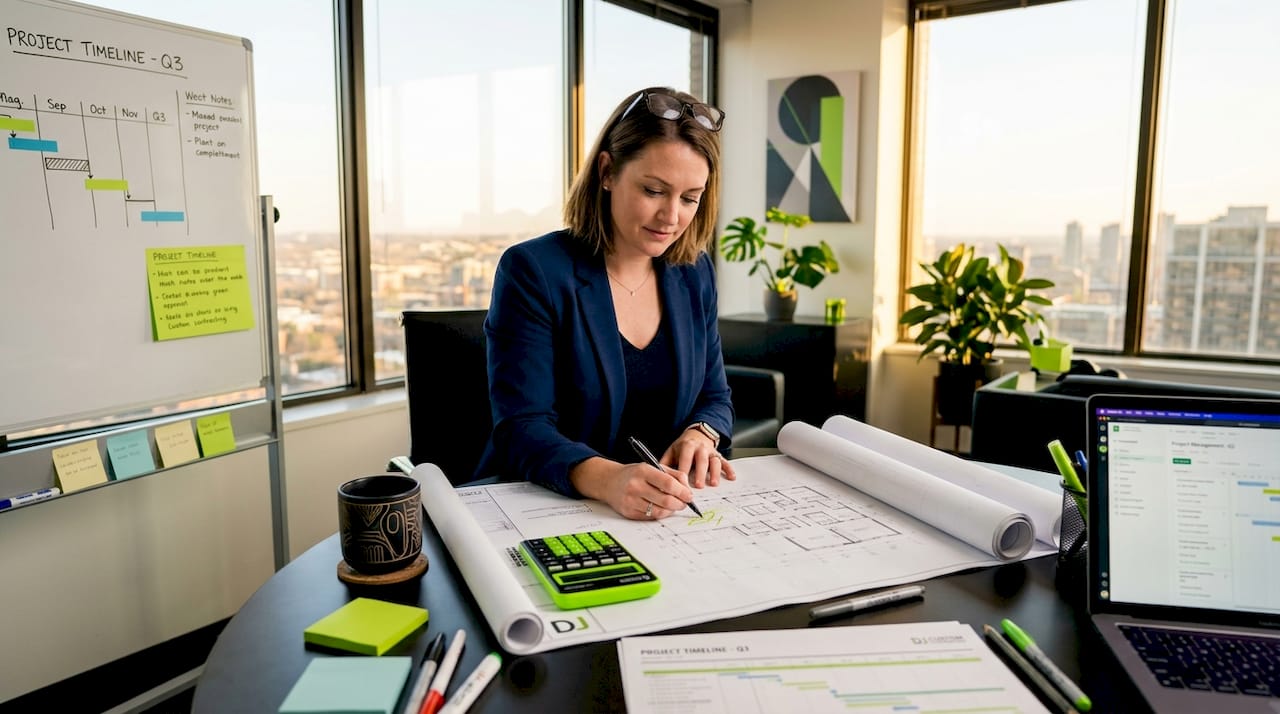
Remodeling an office while keeping operations running, employees satisfied, and costs under control is one of the more demanding projects a small or mid-sized business can take on. The decisions you make before a single wall comes down will determine whether your new space supports how your team actually works, or just looks different. These tips for successful office remodels give you a clear path from planning through post-construction, drawing on real-world experience and current workplace research so you can avoid costly mistakes and get the most out of every dollar you spend.
Table of Contents
Key takeaways
Point | Details |
Start with a written brief | Define goals, constraints, and employee needs before contacting any contractor or designer. |
Budget for surprises | Set aside at least 10–15% contingency because construction always produces unexpected costs. |
Design for multiple work styles | Include focus zones, collaboration areas, and quiet spaces to support every type of worker. |
Communicate throughout the project | Structured updates keep morale high and reduce friction during active construction phases. |
Evaluate after move-in | Collect employee feedback and measure space utilization within the first 90 days post-remodel. |
1. Assess your needs before touching a single wall
The single biggest mistake businesses make is jumping straight to finishes and furniture before understanding what the space actually needs to do. Building a project brief before any design work begins is critical. Rushing this step leads to expensive changes later when contractors are already on site.
Start by asking your team open-ended questions rather than yes-or-no surveys. Research shows that thoughtful questioning is what separates designs employees actually use from spaces that look good but frustrate daily work. Ask things like “Where do you do your best focused work right now?” and “What slows you down most in the current layout?”
Your brief should cover:
Current headcount and projected growth over three years
Hybrid work frequency and desk-sharing ratios
Technology requirements including server rooms, AV systems, and charging infrastructure
Accessibility standards and compliance requirements
Brand identity elements you want the space to reflect
Pro Tip: Walk the space yourself during peak hours and off-peak hours on separate days. What your team describes and what actually happens in the space are often two different things.
2. Create a realistic budget with real contingency
Budgets without contingency are plans waiting to fail. Construction surprises are inevitable, and right-sizing your contingency reserve in both dollars and schedule time is one of the best practices for office remodel success that most business owners skip.
Here is a general cost reference for common remodel elements:
Remodel Element | Budget Range | Notes |
Basic bathroom renovation | $3,000 to $8,000 | |
Comprehensive bathroom remodel | $10,000 to $25,000 | Full fixtures, plumbing, tile work |
DIY labor savings potential | 50 to 70% of labor costs | Best for cosmetic tasks, not structural |
General contingency reserve | 10 to 15% of total budget | Higher for older buildings |
The smartest place to concentrate your spend is on high-traffic, high-visibility areas. Collaboration areas and tech-enabled meeting rooms consistently deliver the strongest return on investment because they affect the most employees every single day.
Pro Tip: Get three contractor bids and ask each one to break down labor versus materials separately. This reveals where your money is actually going and makes it easier to identify where a DIY approach is safe.
For deeper guidance on allocating funds wisely, Djcustomcontracting’s budget planning guide walks through how to prioritize spending without sacrificing quality on what matters most.
3. Hire the right professionals from the start
Choosing the wrong contractor is how a three-month project becomes a six-month project. When you vet candidates, look beyond price. The qualities that actually predict a smooth remodel include:
A verifiable portfolio of commercial interior work at a similar scale
Familiarity with local building codes, DOB requirements, and permitting timelines
Clear documentation of their project management process
References from clients who had active operations during the remodel
Transparent change order procedures in writing before work begins
Understanding why professional help protects you goes beyond skill. Licensed contractors carry liability insurance, pull proper permits, and are accountable for code compliance in ways that informal labor is not.
Once hired, communication becomes the project’s most important variable. Structured communication plans significantly reduce renovation frustration and keep morale stable during disruptive phases. Set weekly status meetings, define a single point of contact on your team, and document every decision in writing.
4. Schedule work to minimize business disruption
You do not have to shut down operations to remodel. Phased construction with dust barriers and after-hours scheduling is how experienced contractors keep businesses running during active builds.
Phase your remodel by floor, zone, or department. This lets teams relocate temporarily within the building rather than leaving the site entirely. It also gives you a chance to test the new layout in one section before committing the entire floor to a design decision.
Aligning your construction schedule with hybrid work patterns is a tactic worth adopting. If Tuesday and Wednesday see peak office attendance, schedule the loudest, most disruptive work for Monday and Friday. This approach also serves as a practical stress test for your hybrid policy, revealing which teams actually need dedicated space and when.
5. Optimize your layout for how people actually work
This is where most of the value in an office remodel either gets captured or lost. Generic open-plan offices fail because they optimize for one work style while ignoring others. Employees perform better when they have access to both collaborative and private environments.
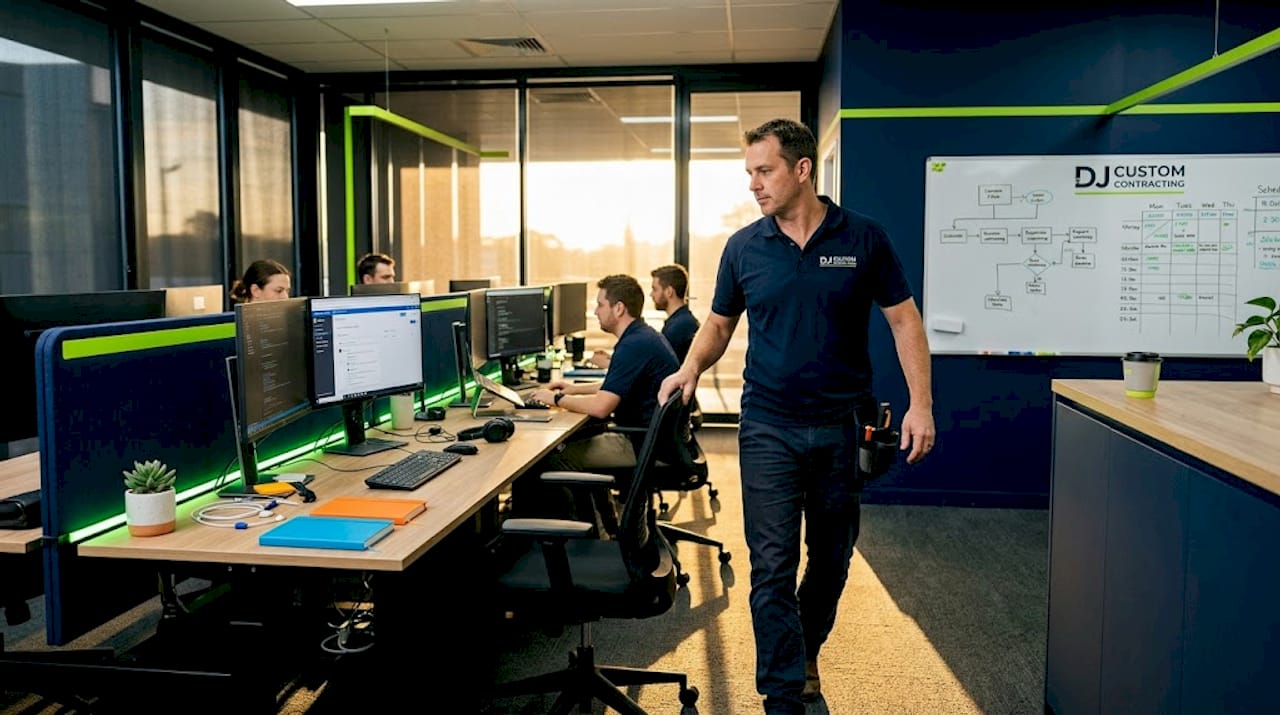
A well-designed floor plan includes at minimum three distinct zone types:
Zone Type | Purpose | Design Features |
Focus zones | Deep, individual work | Acoustic panels, higher partitions, minimal traffic flow |
Collaboration hubs | Team projects and brainstorming | Writable walls, flexible seating, easy AV access |
Quiet retreat areas | Private calls, recovery, reading | Sound isolation, soft lighting, limited capacity |
Micro-zoning with acoustic strategies lets you create these distinct environments without building permanent walls everywhere. Acoustic panels, ceiling baffles, and purpose-built soundproof booths can be added at a fraction of the cost of structural changes.
For office layout optimization that goes beyond furniture arrangement, understanding the relationship between space and workflow is critical. Flexible layouts with micro-zoning can boost productivity by up to 40% compared to undifferentiated open plans.
Pro Tip: Before finalizing your floor plan, tape out the proposed zones on your current floor for one week. Watch how people move through the space. This low-cost test will reveal circulation problems before you build anything permanent.
6. Bring in natural light and biophilic elements strategically
Lighting is the most underestimated variable in office design. Workers in daylit environments report an 84% reduction in eyestrain and headaches compared to offices relying entirely on artificial light. That is not a marginal improvement. It directly affects how alert and productive your team feels every hour of the workday.
Biophilic design adds another layer. Plants, natural materials, and views of the outdoors reduce stress and improve focus. The key is specificity. Research points to a 12% green coverage ratio as the productivity sweet spot. A few well-placed, substantial plant installations outperform scattered potted plants across every desk.
When planning your remodel, reposition workstations to maximize proximity to windows. If structural limitations restrict natural light access, consider skylights, solar tubes, or full-spectrum lighting systems that closely mimic daylight patterns. These changes have measurable effects on employee satisfaction and are among the most affordable office makeover tips with lasting impact.
7. Plan a post-remodel evaluation period
The work does not end on move-in day. Post-occupancy evaluation and soft landings are how high-performing organizations extract maximum value from their new spaces. A soft landing is a structured period of adjustment after construction where you actively monitor how well the space is working.
Here is a practical four-step approach to your post-remodel evaluation:
Collect structured feedback at 30 days. Use a short written survey focused on specific zones, acoustics, and technology. Ask what is working and what is not.
Conduct a space utilization analysis at 60 days. Count actual desk usage, meeting room booking rates, and how often quiet zones are occupied. The data will surprise you.
Identify and fix snagging items promptly. Defects, loose fixtures, and incomplete finishes should be documented and sent to your contractor within the first 30 days while your warranty coverage is fresh.
Schedule a 90-day review with your contractor and design team. Use your utilization data and employee feedback to make targeted adjustments before issues become accepted inconveniences.
This iterative approach reflects a core principle in successful office design tips: your space should evolve with your team, not stay frozen at the moment the contractor walked out the door.
My honest take on office remodels after years in the trades
I’ve seen a lot of office remodels go sideways, and it almost never happens because someone picked the wrong tile or misjudged a partition layout. The real breakdowns happen in two places: budget assumptions that have no cushion, and business owners who treat the remodel as a construction project instead of a change management exercise.
What I’ve learned is that employees are far more adaptable than most managers expect, but only when they feel informed. The offices that come out of a remodel with genuinely higher morale are the ones where leadership communicated honestly, explained trade-offs, and asked for input early. The ones that struggle are the ones where the new space was unveiled as a surprise.
My advice is to treat your contingency budget as a non-negotiable line item, not an add-on you trim to close a gap. And treat your employees’ feedback process as just as important as your floor plan. A remodel is one of the few times you get to actively shape your organization’s culture. That is worth planning carefully.
— DJ
How Djcustomcontracting can support your office remodel
When you are ready to move from planning to execution, having an experienced commercial contractor on your side makes a measurable difference in outcome and timeline.
Djcustomcontracting has been delivering full-service commercial renovation work for small to mid-sized businesses since 2018. From phased interior builds designed to keep your operations running to complete office space transformations, the team brings deep knowledge of local building codes, permitting requirements, and trade coordination. Whether you need interior renovation services for a targeted refresh or a full-scale remodel from floor plan to finishes, Djcustomcontracting handles every stage of the project. No job is too large or too small. Contact Djcustomcontracting today to discuss your office remodel goals and get a competitive quote tailored to your space and budget.
FAQ
What are the most important tips for successful office remodels?
Start with a clear project brief, involve employees in the planning process, set a realistic budget with contingency, and hire licensed contractors familiar with commercial builds. Post-remodel evaluation is equally critical to long-term success.
How much does a typical office remodel cost?
Costs vary widely based on scope. Basic renovations for focused areas like bathrooms run $3,000 to $25,000, while full-floor commercial remodels scale significantly higher. Always budget a 10 to 15% contingency reserve.
How do you minimize disruption during an office remodel?
Use phased construction with dust barriers and schedule the most disruptive work during off-peak attendance days. After-hours work for particularly loud tasks is another effective strategy to protect daily operations.
What common office design mistakes should businesses avoid?
The most frequent errors are designing for a single work style, skipping the needs assessment phase, underbudgeting for contingency, and failing to collect employee feedback after move-in. Assumptions about how employees work lead to misaligned designs.
How soon should you evaluate the office after a remodel?
Collect employee feedback at 30 days, analyze space utilization data at 60 days, and hold a formal review with your contractor at 90 days. This soft landing approach ensures the space performs as designed and allows targeted adjustments before issues become permanent problems.
Recommended



Comments